Wild Horses
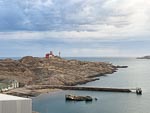
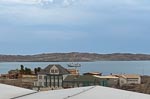
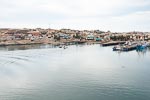
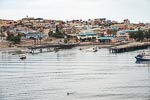
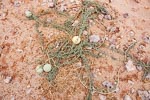
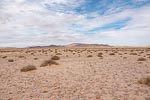
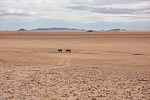
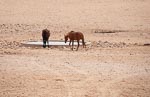
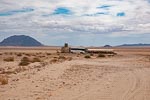
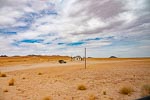
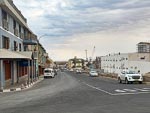
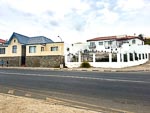
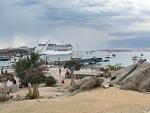
This morning we pulled into the port of Luderitz, a small town or village, in southern Namibia and at the southern end of the Namibian Desert which is called The Namib. The country of Namibia is famous for this coastal desert, which is the oldest desert in the world, and which runs the full length of the Namibian coast, starting in South Africa and running north into Angola. As you can see from the photos below the desert is a mix of sand and stone and is very dry getting on average about 15mm of rain per year.
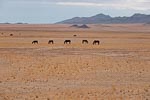
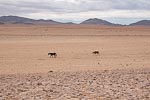
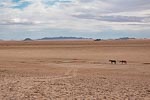
Our excursion today was nominally to see a herd of Wild Horses, but really they were an excuse to take a drive in the desert. Though the story of the horses was interesting. To get all the details click the link above in this paragraph. In short the herd which currently numbers between 80 and 90 are the descendants of horses that escaped from the South African Army and German Army during WWI and racing horses that escaped from local breeders at the same time.
At the start of WWI Namibia was a colony of Germany and was called German South West Africa. At the start of the War South Africa decided it would like to take control of the German colony so invaded and battled the German garrison for control.
We got a long story from one of our guides about the trials and tribulations of trying to keep this herd of horses alive in this very in-hospitable area and the battles to provide them with food and water as well as protect them from various predators.

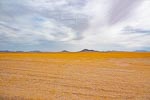
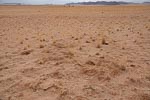
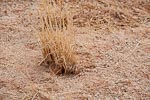
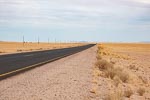
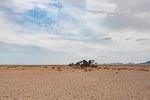
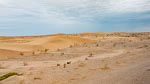
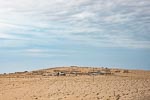
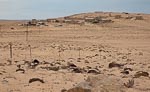
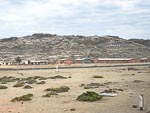

One of the more interesting and pertinent facts about Namibia is the source of the sand that is so abundant. The sand originates from weathering in the Drakenburg Mountains in Lesotho South Africa which is washed eventually into the Oriange River which empties into the Atlanic Ocean just south of the Southern border of Namibia. There it is carried North by the Benguela Current and dropped onto the beaches of South Africa, Namibia and Angola. From the beach it is blown inland by prevailing winds.
Another interesting thing is that along with the sand came diamonds. Collecting of alluvial diamonds was a major cause of interest in this area by European colonial powers during the late 19th and early 20th centuries. Today there is still some diamond collecting but it is on a very smalll scale.